Nerd Deep Housecleaning Update, Part 1
Running a game company online when the world was young.

I’ve been doing a massive deep clean, digging out and getting rid of all sorts of old business junk. Or, at least, the junk we can’t sign and hand out as Kickstarter rewards.
A lot of good memories there. Or, at least, memories. And mountains of CD-Rs that I never got close to using.
This particular post is brought to you by the Steam Spring Sale, in which all our games are for sale!
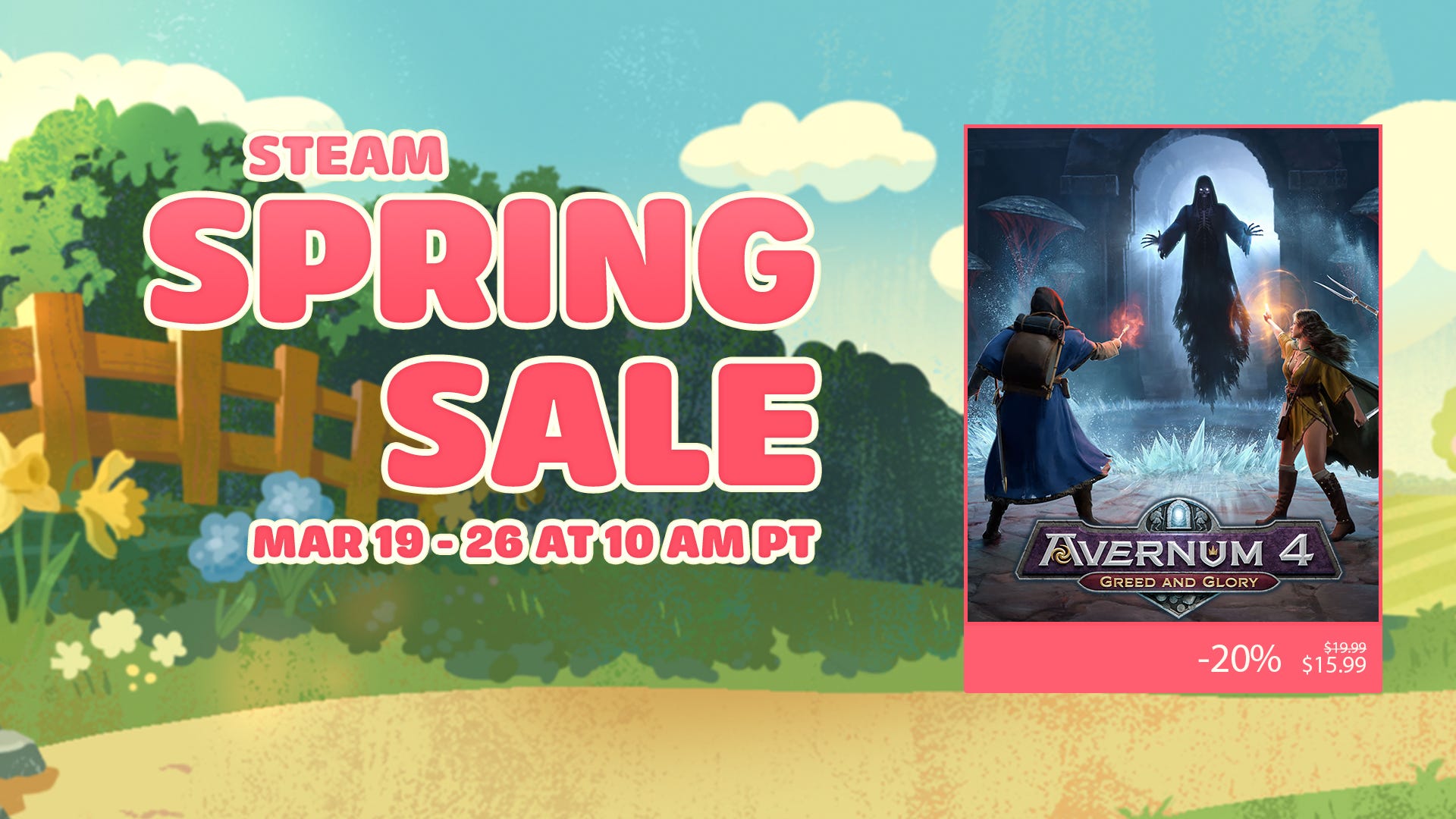
Our newest game, Avernum 4: Greed and Glory, has a really nice discount. It’s done very well and is a really solid indie, story-heavy, turn-based RPG. Our newly completed Queen’s Wish series is also super cheap.
Now on to the junk!
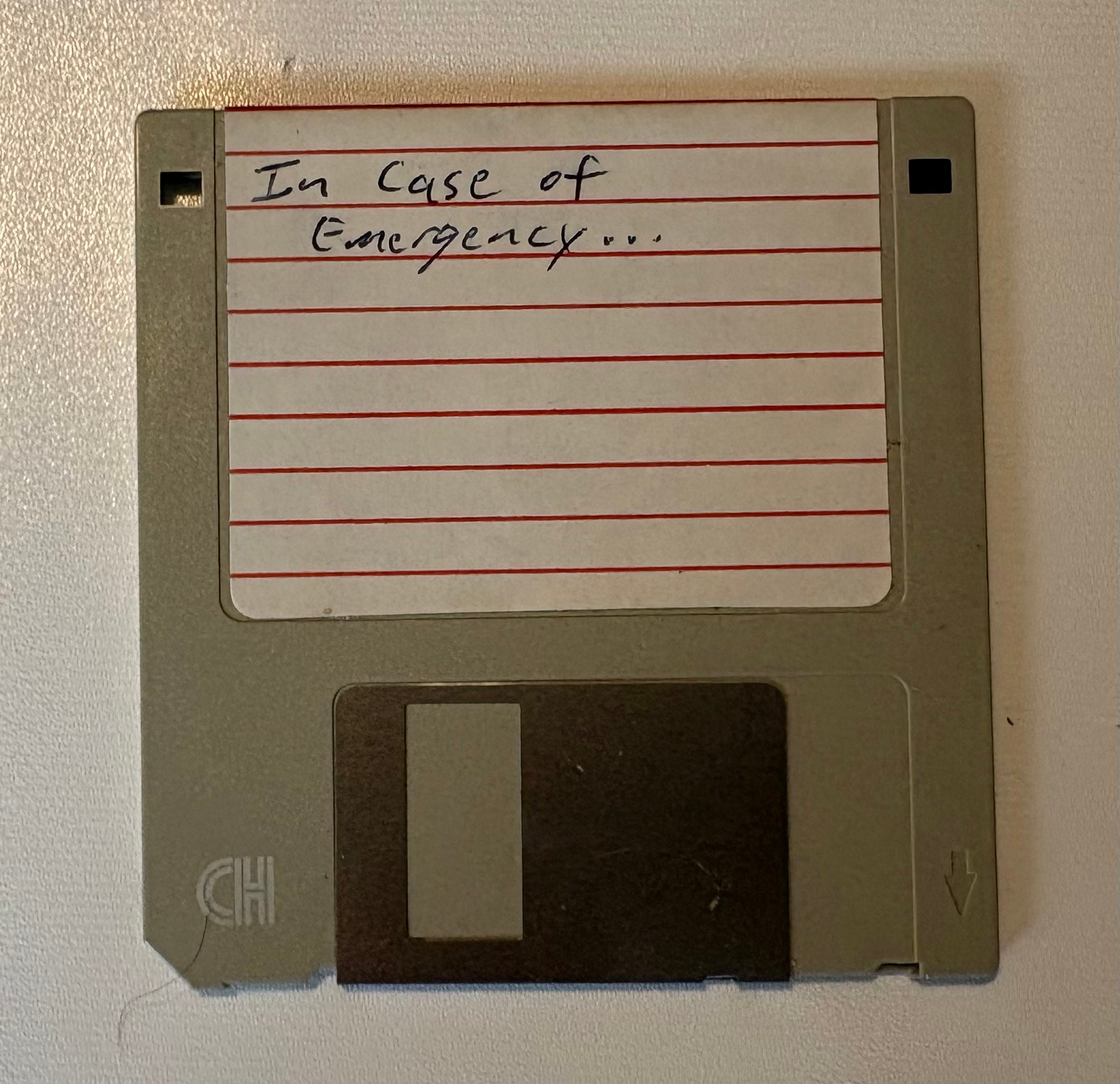
I found one of my MOST IMPORTANT POSSESSIONS.
About 20 years ago, I had some sort of software problem. To fix it, I needed some sort of a file. It contains a key OS file or authentication code or game component or something.
It was so vitally important than I copied it onto a floppy and labeled it "In Case of Emergency ..." and put it in a drawer. Neglecting, of course, to write exactly what was on it, because it was SO IMPORTANT I assumed I would never forget.
I found the disk 10 years later and had absolutely no recollection of what vital file was on it.
But I can never, ever, ever get rid of it! Because who knows ...
(I posted this to Twitter. Many people suggested I buy a device that can read what is on this disk. Alas, I checked, and such devices no longer exist and never will again. Ever.)
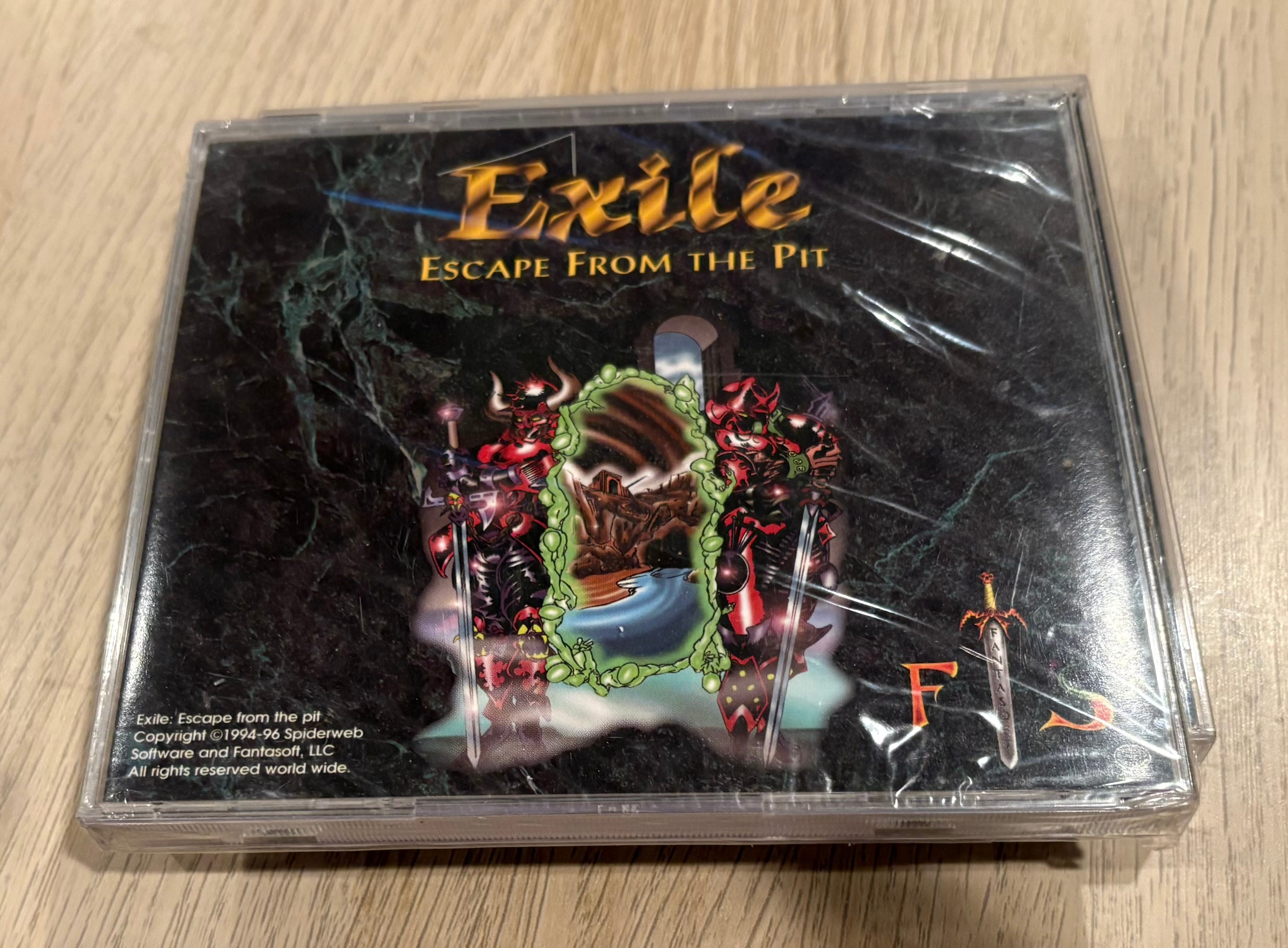
Our first games were published by a company called Fantasoft, best known for a 1994 shareware hit called Realmz. (In 1994, a "hit" meant you could buy a house. These days, an indie hit means you can buy Vermont.)
In a fit of enthusiasm, Fantasoft wanted to try to get our games sold on CDs in actual stores, like proper grown-up developers. So they worked with me to make these sexy CD prototypes with proper hand-drawn art (which is simultaneously horribly garish and kind of cool).
The exciting thing about this is that, if the plan worked out, they thought I could get as much as (cue Dr. Evil Voice) TEN THOUSAND DOLLARS. At the time, this seemed an unimaginable payoff.
Never panned out. The guy in charge of the deal flaked out. Fantasoft disappeared from the face of the earth. All that remains are 3 ancient CDs, which I carry from state to state for no particular reason.
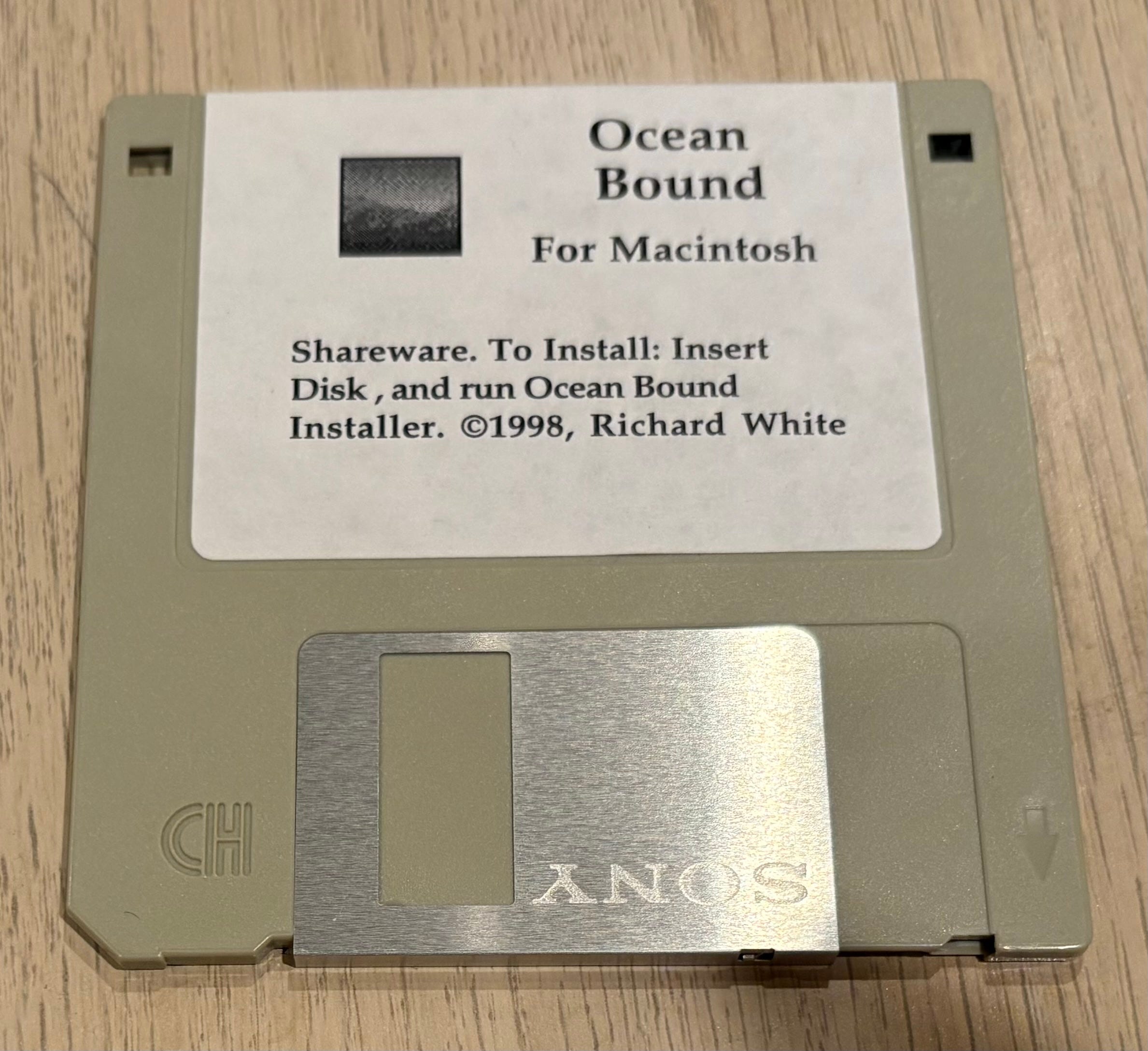
The last known floppy of one of the games Spiderweb Software published.
In the 90s, we weren't sure what direction we wanted to take our business. But a Mac company called Ambrosia was having huge success publishing other shareware games. We had put in a huge amount of work building the infrastructure to run an online business in 1997. (My wife coded an entire web store from scratch.)
So the stage was set for us to become one of the very first businesses to fail at publishing indie games!
Two problems. First, publishing well requires a huge amount of grinding work we simply weren't well-suited to do. Second, really good games are very rare.
We published several games. Varying quality, but some were cool. They sold ok for shareware, but honestly we felt we could do better for our clients. We lost touch with the developers long long ago.
At least we didn't lose a lot of money. Which is because we never really risked anything. Which is why we failed.
Spiderweb Software has been creating turn-based, indie, old-school fantasy role-playing games since 1994. They are low-budget, but they’re full of good stories and fun.
This newsletter is free, but paying me to subscribe guilts me into writing more. If you would like to support us, you could also buy our newest game, Avernum 4: Greed and Glory, and leaving us a nice review.