What Exact Products Do Games Sell, Two Case Studies
Elden Ring and Silksong are very close and very far apart.

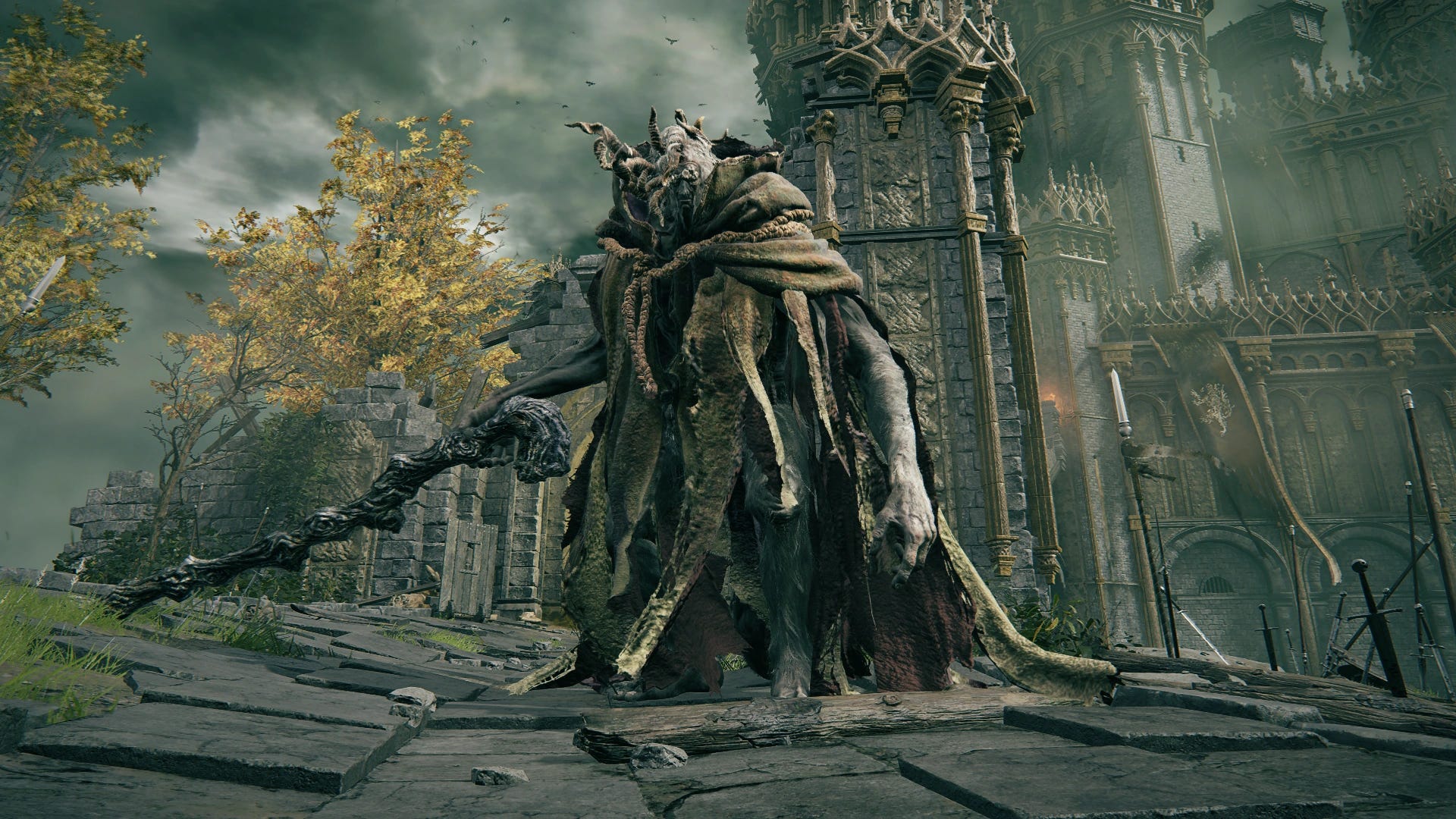
One of the things I’ve always said about the game biz is, “Never forget what product you’re selling.”
If your video game has an audience, that means it is affecting the brains of your players in a way that they like. This effect is your product. Maybe players will get tired of it, in which case you’re in trouble. Maybe they’ll keep liking it, in which case you’d better keep selling it until you come up with something better.
I recently wrote an article with a (non-exhaustive!) list of five brain effects you can profitably sell:
Product 1. Dopamine!
Product 2. Stimulation, Reflex/Adrenaline Version
Product 3. Stimulation, Thinky Version
Product 4. Art (tm)
Product 5. Devouring Time
I find these categories helpful when looking at games and figuring out why they sell, or don’t.
Practical Examples
Here are two examples of very well-known and successful action games that are selling very different products.
They are Elden Ring and Hollow Knight: Silksong. Really good games. Well-known. Huge followings and sales.
The both lean heavily into Product 2. They sell really difficult, suspenseful, engrossing battles. The sort where you have to really lock in, master tight controls, die a lot, learn the boss moves, pump out adrenaline, get frustrated, and then are finally rewarded with the blissful release of victory. Both games are REALLY good at providing this.
There’s plenty of differences, of course. Team size and budget. 2-D versus 3-D. To my eye, however, they have very different focuses on what they are selling.

Elden Ring - The Pure, Streamlined Experience
When From Software, makers of classics like Elden Ring, Dark Souls, and Bloodborne, put out a new game, you can always count on the tiresome resurrection of the difficulty debate. “Why is there no easy difficulty?”
From Software made a really tough decision when creating the Souls genre, one I can’t help but admire. They know what sort of experience they are selling, a pure, intense form of reflex testing, and they only sell that experience.
If you could play the game on Easy (or turn down the difficulty of a tough fight), you would no longer be getting the product they want to sell. To which they say, “Why would we allow that? If you don’t want what we sell, play one of the million other video games. Instead, we will stay laser-focused on making sure that, if you play our game, you will get the exact thing that we make money selling.”
Is this bravery? Cunning? Stubbornness? Sadism? Opinions vary. Considering how immensely successful Elden Ring was, you can’t argue with the results.
However, they are not cruel masters. They have made one key design change as the games have evolved: They have become far more streamlined. Farming has been reduced. Runbacks to bosses have become very short.
The product they sell is the really intense combat, so they have been gradually stripping away anything that distracts from that. As someone who dies a lot, I really appreciate it.
Silksong took a very different approach.
Silksong - Giving Your Money’s Worth, Whether You Want It Or Not
The reaction to Team Cherry’s long-awaited Silksong was not one of unmixed joy. It got great reviews and sales, but it also got lots of criticism and far fewer awards than expected. Something happened there.
The debate early on was framed as, “It’s too haaaaard!” versus “Git gud, scrub!” Not the right debate. It’s really not that hard a game. It’s tough, sure, but no more than a lot of other games that players were completely OK with. (Like Elden Ring.)
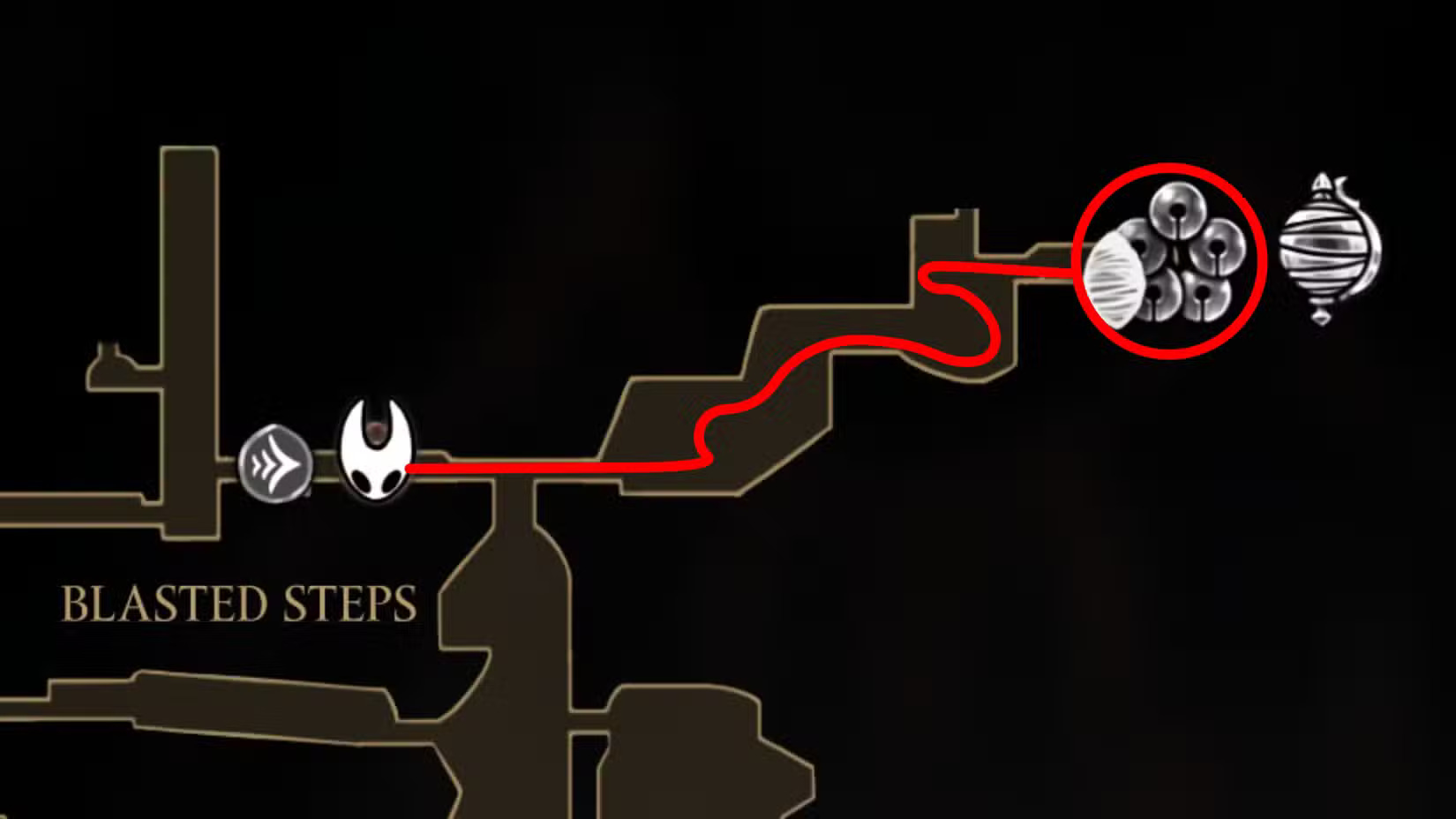
I think that the problem with Silksong is not difficulty. It’s padding. The game is full of time-consuming jobs that could effortlessly be trimmed. Long runbacks to bosses. Resource farming. General trolling, like spawn points with death traps. (Really good players won’t experience these, but many players aren’t that good.)
I played it until a ways into Act 2, and I found myself increasingly aggravated. I had to do the runback to the Last Judge, the final Act 1 boss, a lot of times. It was several minutes of fairly delicate platforming. And I got GOOD at that runback. I could fly through it in the end. However, it got tedious, and the fast, elaborate maneuvers made my old hands hurt.
But ... Time-eating is product, isn’t it? Why is it bad to make your game last longer? What I see as 10 hours of padding, someone else will see as 10 more hours of value for the price. If I get my wish of a more streamlined game, that other person is cruelly forced to cope with their life without distraction for 10 more hours.
In other words, the game is not just selling Product 2, the action. It is also selling Product 5. It is very deliberately crafted to be a time devourer. If you’re a busy guy (like me, or the sort of professional who votes for awards), padding can cause resentment. However, for a lot of players, time spent playing a game is a reward in itself.
There’s no right or wrong here. More a zero sum struggle between different factions who want to buy different products. Team Cherry got a mountain of money for Silksong, and they certainly earned it. Sometimes, however, when you make a divisive choice, it ends up being, you know, divisive.
Know What You’re Selling
There is too much advice for indie developers available out there, and most of it stinks. So I’ll make my advice very modest: Understand what makes your games appeal to players. Know what you’re selling, and try to stay aware of how long this will keep its appeal.
If you write a sequel to a successful game and it dies in the market, players just didn’t want that big a serving of whatever you were dishing up.
In the 32 years I’ve been doing this, I’ve subtly changed up what I sell a lot of times. It helps keep things fresh for me as a designer. One warning: Whenever you change what you’re selling, you will lose customers. You have to make sure to recruit more customers to replace them. Tough to do these days.
Anyway, that’s a framework I use to analyze this. It’s not meant to be a universal set of rules. (Art resists all attempts to restrain it with rules.) Just a way to look at how we make our money. Sorry for the kind of dry post, but it’s just what interested me lately. I hope someone finds it of interest.
Spiderweb Software has been creating turn-based, indie, old-school fantasy role-playing games since 1994. They are low-budget, but they’re full of good stories and fun.
This newsletter is free, but paying me to subscribe guilts me into writing more. If you would like to support us, you could also buy our newest game, Avernum 4: Greed and Glory, and leaving us a nice review.
Very interesting and insightful-- thank you for sharing! I think you have a unique and valuable way of looking at this sort of thing and appreciate your taking the time to organize your thoughts.
Just today I was trying to imagine an alternate universe — where you did something different 🙏